

Broiler poultry farming offers a fast-track opportunity to produce meat chickens in just 6-8 weeks. This guide is designed for new farmers considering broiler production, existing poultry producers looking to expand, and agricultural students studying commercial chicken farming.
You’ll discover the most profitable broiler breeds and how to select the right birds for your operation. We’ll also cover the essential housing setup that keeps your chickens healthy and growing efficiently. Finally, you’ll learn proven feeding strategies that maximize weight gain while controlling costs.
Understanding Broiler Chicken Breeds and Selection
High-Performance Commercial Breeds for Maximum Growth
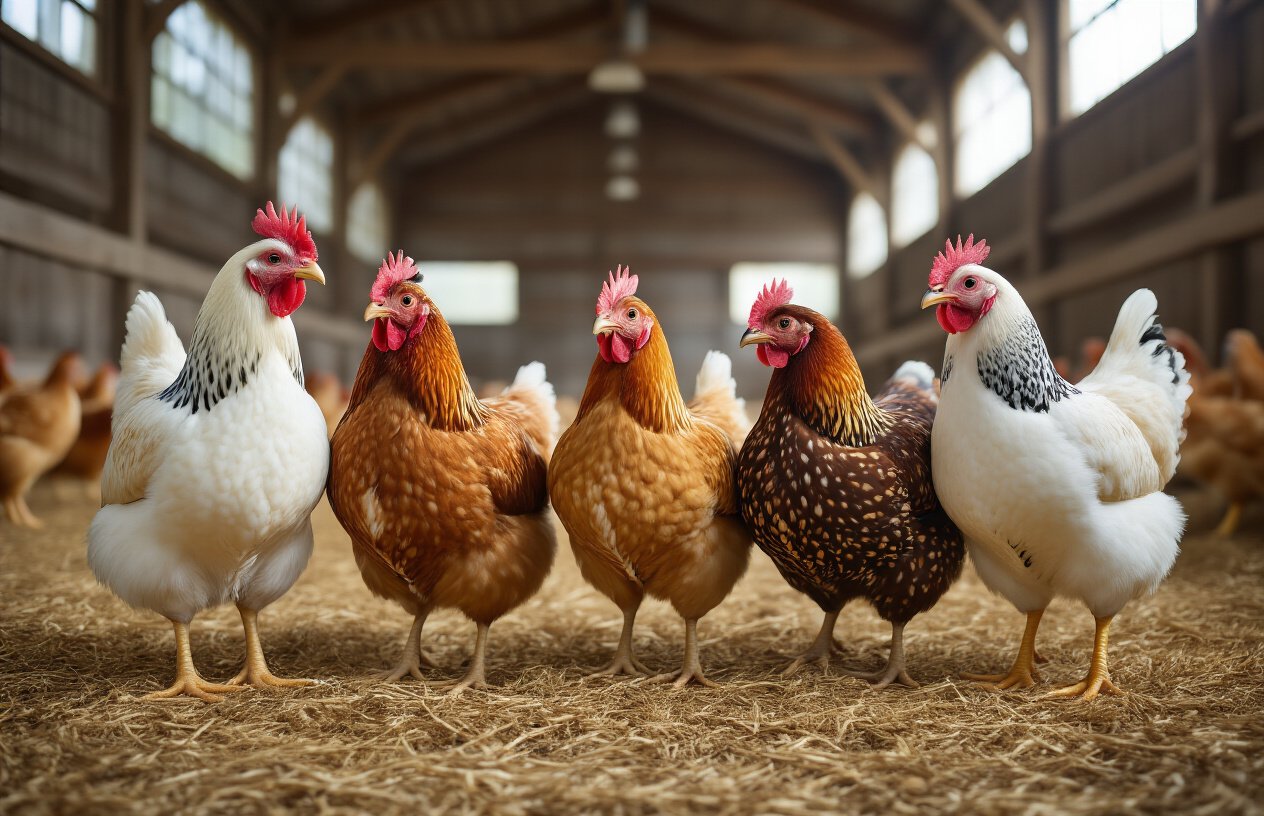
Ross 308 and Cobb 500 dominate the commercial broiler market for good reason. These breeds consistently deliver impressive growth rates, reaching market weight of 4-5 pounds in just 35-42 days. The Ross 308 excels in feed efficiency and breast meat yield, making it perfect for processors focused on high-value cuts. Cobb 500 offers exceptional uniformity and strong leg health, reducing mortality rates during the growing period.
Arbor Acres Plus represents another top-tier option, particularly valued for its robust constitution and adaptability to various management systems. This breed maintains excellent performance even under challenging conditions, making it a reliable choice for new producers. The Hubbard Flex combines rapid growth with excellent feed conversion ratios, often achieving FCR of 1.6:1 or better under optimal conditions.
When selecting between these breeds, consider your specific market demands. Ross breeds typically produce higher breast meat percentages, while Cobb varieties often show better overall survivability. Processing plants may have preferences based on their equipment and target products, so check with potential buyers before making your final decision.
Selecting Birds Based on Feed Conversion Efficiency
Feed conversion ratio (FCR) directly impacts your profit margins, representing the pounds of feed required to produce one pound of live weight. Top-performing breeds achieve FCR ratios between 1.5:1 and 1.8:1 under commercial conditions. Calculate potential feed costs by multiplying your expected feed consumption by current feed prices, then compare this against projected revenue per bird.
Modern broiler strains show remarkable differences in feed efficiency. Some genetic lines convert feed 15-20% more efficiently than others, which translates to significant cost savings over thousands of birds. Request FCR data from hatcheries, but remember these numbers reflect optimal conditions. Real-world performance typically runs 0.2-0.4 points higher due to environmental stresses, disease challenges, and management variables.
Monitor your actual FCR weekly during each growing cycle. Birds should achieve approximately 1.0 FCR during the first week, gradually increasing to final targets. Poor early feed conversion often indicates health issues, inadequate brooding temperatures, or feed quality problems that need immediate attention.
Climate-Adapted Varieties for Your Region
Hot, humid climates demand breeds with superior heat tolerance and respiratory efficiency. The Cobb 700 and certain Ross strains perform exceptionally well in tropical conditions, maintaining growth rates even when temperatures exceed 85°F. These varieties typically feature smaller body frames initially but compensate with consistent daily gains throughout the growing period.
Cold climate operations benefit from breeds with higher metabolic rates and better feather development. Hubbard varieties often excel in these conditions, showing improved cold stress resistance and maintaining feed intake during temperature fluctuations. Proper breed selection can reduce heating costs by 20-30% in northern climates.
Consider seasonal variations when planning multiple flocks per year. Summer flocks may require different genetics than winter batches, even in the same facility. Some producers successfully rotate between heat-tolerant and cold-hardy strains based on placement dates, optimizing performance year-round.
Altitude affects broiler performance significantly. Birds raised above 3,000 feet elevation require breeds with enhanced cardiovascular systems to prevent ascites and sudden death syndrome. Specialized high-altitude strains grow slightly slower but show dramatically improved survivability in mountain regions.
Disease-Resistant Strains That Reduce Veterinary Costs
Genetic resistance to common poultry diseases saves substantial veterinary expenses and reduces antibiotic usage. Certain Ross lines show natural resistance to coccidiosis, reducing the need for expensive coccidiostats in feed programs. These birds maintain growth rates even under moderate disease pressure, providing insurance against management mistakes or environmental challenges.
Marek’s disease resistance varies significantly between genetic lines. Breeds with strong natural immunity require fewer vaccinations and show lower mortality rates from viral challenges. This genetic advantage becomes particularly valuable in areas with high disease pressure or farms with continuous production cycles.
Newcastle disease resistance represents another crucial genetic trait. Some commercial strains maintain productivity even after mild disease challenges that would devastate susceptible birds. While vaccination remains essential, resistant genetics provide an additional safety margin that protects your investment.
| Breed | Heat Tolerance | Disease Resistance | FCR Potential | Growth Rate |
|---|---|---|---|---|
| Ross 308 | Moderate | High | 1.55-1.70 | Excellent |
| Cobb 500 | Good | Moderate | 1.60-1.75 | Excellent |
| Cobb 700 | Excellent | Moderate | 1.65-1.80 | Good |
| Arbor Acres Plus | Good | High | 1.60-1.75 | Very Good |
Immune system strength correlates strongly with overall performance and profitability. Breeds with robust immune responses typically show better feed conversion, higher livability, and reduced need for therapeutic interventions. Factor these long-term benefits into your breed selection decision, even if initial chick costs run slightly higher.
Essential Housing and Infrastructure Requirements
Optimal Floor Space Planning for Healthy Growth
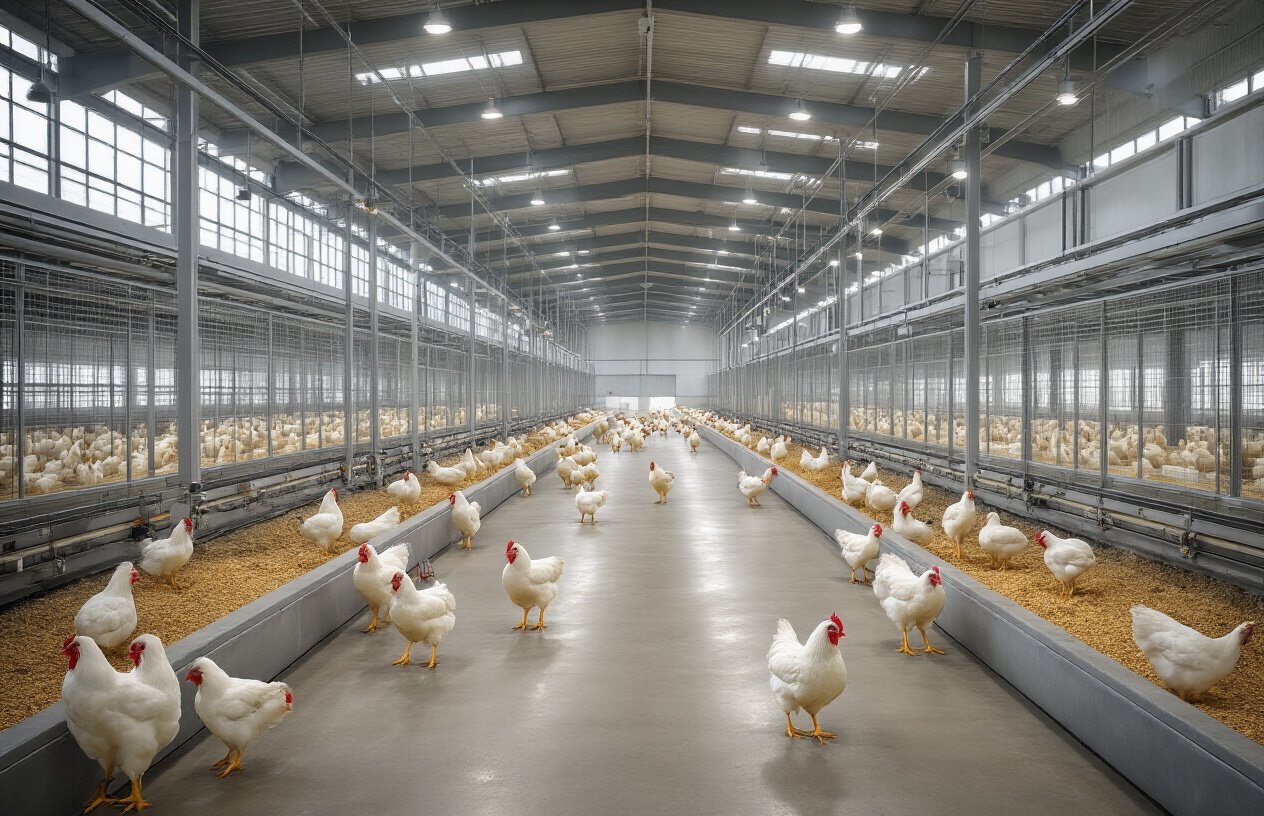
Each broiler requires approximately 0.75 to 1.5 square feet of floor space, depending on the target market weight and production system. Overcrowding leads to increased competition for feed and water, elevated stress levels, and poor air quality that can trigger disease outbreaks. Birds need adequate room to move naturally, access feed and water easily, and exhibit normal behaviors without aggressive competition.
The most effective layout divides the house into manageable sections using temporary barriers or gates. This approach allows for better management during different growth phases and makes it easier to monitor bird performance. Consider creating zones based on ventilation patterns, with areas closest to air inlets housing younger birds that generate less heat.
Floor type significantly impacts broiler performance. Concrete floors with proper drainage work best for commercial operations, covered with 2-4 inches of quality bedding material like wood shavings or rice hulls. The bedding should remain dry and friable throughout the growing period, requiring regular stirring and spot cleaning to prevent caking.
Ventilation Systems That Prevent Disease Outbreaks
Proper ventilation removes excess moisture, harmful gases, and airborne pathogens while maintaining optimal air quality. A well-designed system combines natural and mechanical ventilation, with exhaust fans positioned strategically to create uniform airflow patterns throughout the house.
Minimum ventilation rates should provide 1-2 cubic feet per minute per bird during brooding, increasing to 4-6 CFM per bird as they mature. Install variable-speed fans controlled by environmental sensors that automatically adjust airflow based on temperature, humidity, and ammonia levels.
Air inlets require careful positioning to prevent direct drafts on birds while ensuring even air distribution. Ridge vents or ceiling inlets work effectively for natural ventilation, while side wall inlets with adjustable baffles provide better control in mechanically ventilated houses. Regular maintenance includes cleaning fan shutters, checking belt tension, and calibrating sensors to prevent system failures that could prove catastrophic.
Temperature Control Solutions for Year-Round Production
Broiler chicks require starting temperatures of 90-95°F during the first week, gradually reducing by 5°F weekly until reaching 70-75°F. Maintaining consistent temperatures across the entire floor space prevents chicks from crowding, which can lead to trampling and uneven growth rates.
Radiant heating systems provide the most efficient and uniform heat distribution for brooding. Gas-fired or electric brooders should cover 50-60% of the floor area initially, allowing chicks to self-regulate by moving between warmer and cooler zones. Supplemental heating may include hot water heating systems running through floor pipes or overhead radiant tubes.
Cooling systems become essential during hot weather to prevent heat stress and mortality. Evaporative cooling pads at air inlets can reduce incoming air temperature by 10-15°F, while high-pressure misting systems provide additional cooling through evaporation. Tunnel ventilation combined with cooling systems can maintain comfortable conditions even when outside temperatures exceed 95°F.
Feeders and Waterers That Minimize Waste
Feed represents 65-70% of total production costs, making efficient feeding systems crucial for profitability. Pan feeders work best for smaller flocks, providing 2-3 inches of feeder space per bird. For larger operations, automatic feeding systems with augers or chains deliver feed consistently while reducing labor costs.
Feeder height requires regular adjustment as birds grow. Feeders positioned too low encourage waste through billing out behavior, while those set too high prevent smaller birds from accessing feed properly. The feeder rim should align with the bird’s back height throughout the growing period.
Water systems must provide clean, fresh water at the right height and pressure. Nipple drinkers offer the most sanitary option, requiring one nipple per 10-12 birds with proper water pressure of 8-12 inches of water column. Bell drinkers need daily cleaning and proper adjustment to prevent water spillage that creates wet litter conditions.
Monitor water consumption daily as it serves as an early indicator of health problems. Broilers typically consume 1.6-2.0 times their feed intake in water, with variations indicating potential issues requiring immediate attention.
Biosecurity Measures That Protect Your Investment
Effective biosecurity starts with controlling human and vehicle access to production areas. Establish a clear perimeter around poultry houses with locked gates and appropriate signage. All visitors should follow strict protocols including shower-in procedures, disposable clothing, and footwear disinfection before entering any bird area.
Vehicle disinfection stations at the farm entrance should include wheel wash systems and undercarriage spraying equipment. Delivery trucks, feed trucks, and service vehicles pose significant disease transmission risks that proper disinfection procedures can minimize.
Pest control programs target rodents, wild birds, and insects that serve as disease vectors. Seal all building openings larger than 0.5 inches, install bird netting over ventilation openings, and maintain vegetation-free zones around buildings. Regular baiting stations and monitoring help control rodent populations before they establish breeding colonies.
Dead bird removal requires immediate attention and proper disposal methods. Establish contracts with rendering companies or install on-farm composting systems that handle mortality safely. Never allow dead birds to accumulate, as they attract pests and create ideal conditions for bacterial growth and disease transmission.
Strategic Feeding Programs for Rapid Weight Gain
Starter Feed Formulations for Strong Early Development
Young broiler chicks need specially designed feed that supports their rapid early growth while building a strong foundation for later development. During the first 14-21 days, starter feeds should contain 22-24% crude protein with high-quality amino acid profiles. Essential amino acids like lysine, methionine, and threonine must be readily available since chicks can’t synthesize these nutrients efficiently.
The energy content should range between 3,000-3,200 kcal/kg to fuel the intense metabolic processes occurring during this critical phase. Pellet size matters significantly – crumble or mini-pellet forms work best since chicks have small beaks and limited gape capacity.
Key ingredients include corn, soybean meal, fish meal, and specialized vitamin-mineral premixes. Adding probiotics and prebiotics helps establish healthy gut microflora, which directly impacts nutrient absorption and immune system development. Calcium and phosphorus ratios need careful balancing at 1:0.45 to support proper bone formation without creating metabolic issues.
Water quality during this phase is equally important. Clean, fresh water should always be available, and many producers add electrolytes or vitamin supplements to drinking water during the first few days to help chicks recover from transportation stress.
Grower Phase Nutrition That Maximizes Muscle Development
The grower phase typically runs from day 21 to day 35-42, depending on your target market weight. During this period, broilers experience their most dramatic muscle development, making nutrition absolutely critical for maximizing lean meat production.
Protein requirements decrease slightly to 20-22%, but the focus shifts to optimizing amino acid ratios for muscle synthesis. Lysine becomes the limiting amino acid, and maintaining proper lysine-to-energy ratios ensures efficient protein utilization. The ideal digestible lysine content should be around 1.2-1.3% of the diet.
Energy density can increase to 3,200-3,300 kcal/kg as birds can handle higher fat levels and need more energy for rapid growth. Adding fat sources like poultry fat or vegetable oils improves feed efficiency while providing essential fatty acids.
Pellet quality becomes more important during this phase. Well-formed pellets reduce feed waste and improve intake consistency. The optimal pellet size is 3-4mm diameter, allowing birds to consume adequate amounts without difficulty.
| Nutrient | Grower Phase Requirements |
|---|---|
| Crude Protein | 20-22% |
| Metabolizable Energy | 3,200-3,300 kcal/kg |
| Digestible Lysine | 1.2-1.3% |
| Calcium | 0.85-0.95% |
| Available Phosphorus | 0.40-0.45% |
Finisher Diets That Optimize Market Weight
Finisher feeds focus on achieving target market weight efficiently while maintaining meat quality. This phase usually starts around day 35-42 and continues until processing. Protein levels drop to 18-20% since growth rate begins to plateau, and birds start depositing more fat relative to muscle.
The key strategy involves fine-tuning energy levels to reach desired carcass composition. Higher energy diets (3,300-3,400 kcal/kg) can push birds to heavier weights faster, but may increase fat deposition. Balancing growth speed with carcass quality requires adjusting energy-to-protein ratios based on your specific market requirements.
Withdrawal considerations become important during this phase. Many feed additives require specific withdrawal periods before processing, so feed formulations must account for these requirements. Antibiotic-free production systems rely heavily on organic acids, essential oils, and enzymes during the finisher phase.
Feed conversion efficiency typically peaks during early finisher phase, then gradually declines. Monitoring daily weight gains helps determine optimal processing timing. Birds gaining less than 60-70g per day may be approaching their economic endpoint.
Cost-Effective Feed Sourcing and Storage Methods
Feed costs represent 65-70% of total production expenses, making smart sourcing strategies essential for profitability. Establishing relationships with multiple suppliers provides flexibility during price fluctuations and ingredient shortages. Many successful producers participate in buying groups or cooperatives to leverage bulk purchasing power.
Ingredient substitution knowledge saves significant money without compromising bird performance. Understanding nutritional equivalencies allows you to switch between corn and wheat, or soybean meal and canola meal based on current market prices. Energy and amino acid content must remain consistent regardless of ingredient changes.
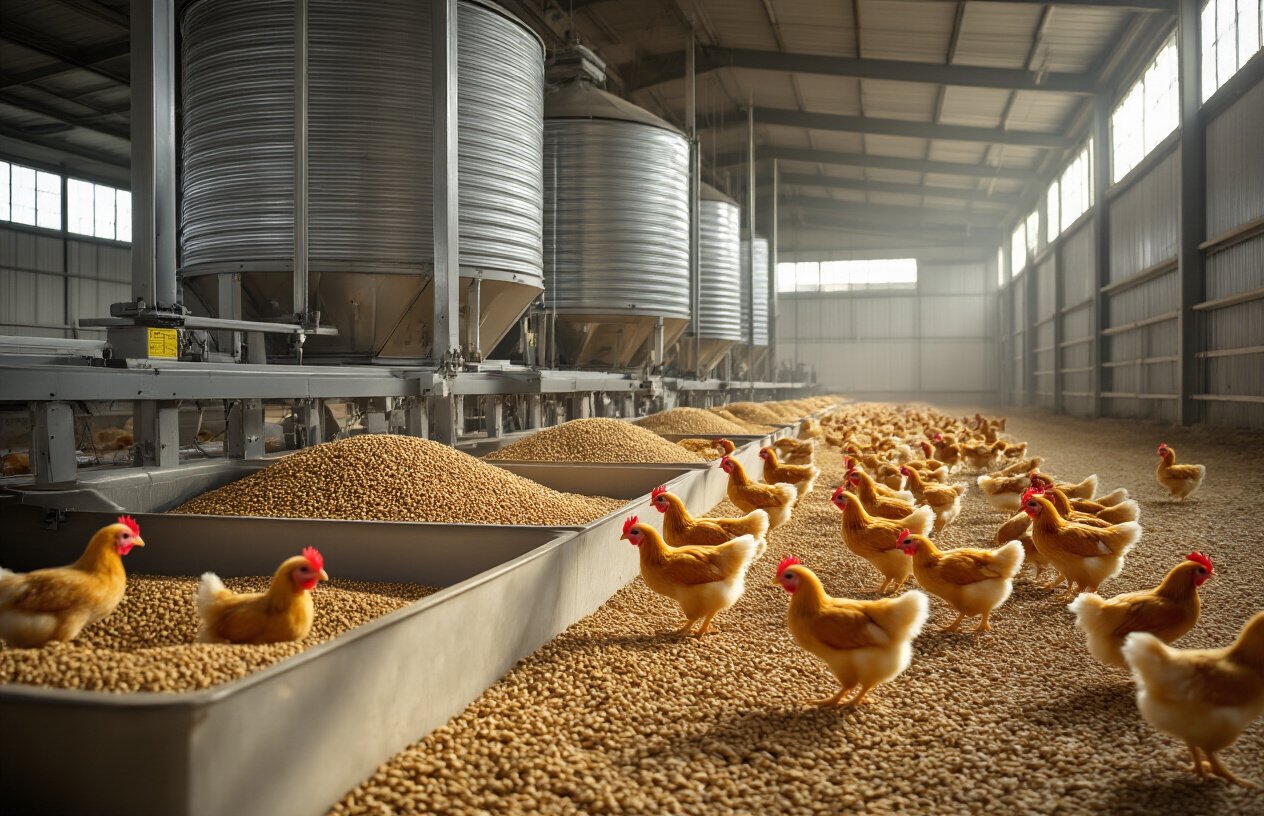
Proper storage protects feed quality and prevents costly losses. Feed should be stored in clean, dry conditions with good ventilation. Bin capacity should allow 7-14 days of storage maximum to maintain freshness. Regular cleaning prevents mold growth and pest infestation that can contaminate entire batches.
Temperature control matters more than many producers realize. Feed stored above 80°F begins losing vitamin potency and can develop rancidity. Automated bin monitoring systems alert you to temperature spikes before problems develop. Investing in proper storage infrastructure pays for itself through reduced waste and better bird performance.
First-in, first-out rotation ensures older feed gets used before fresh deliveries. Dating each delivery and maintaining detailed inventory records helps track feed freshness and identify any performance issues related to specific batches.
Health Management and Disease Prevention
Vaccination Schedules That Ensure Flock Immunity
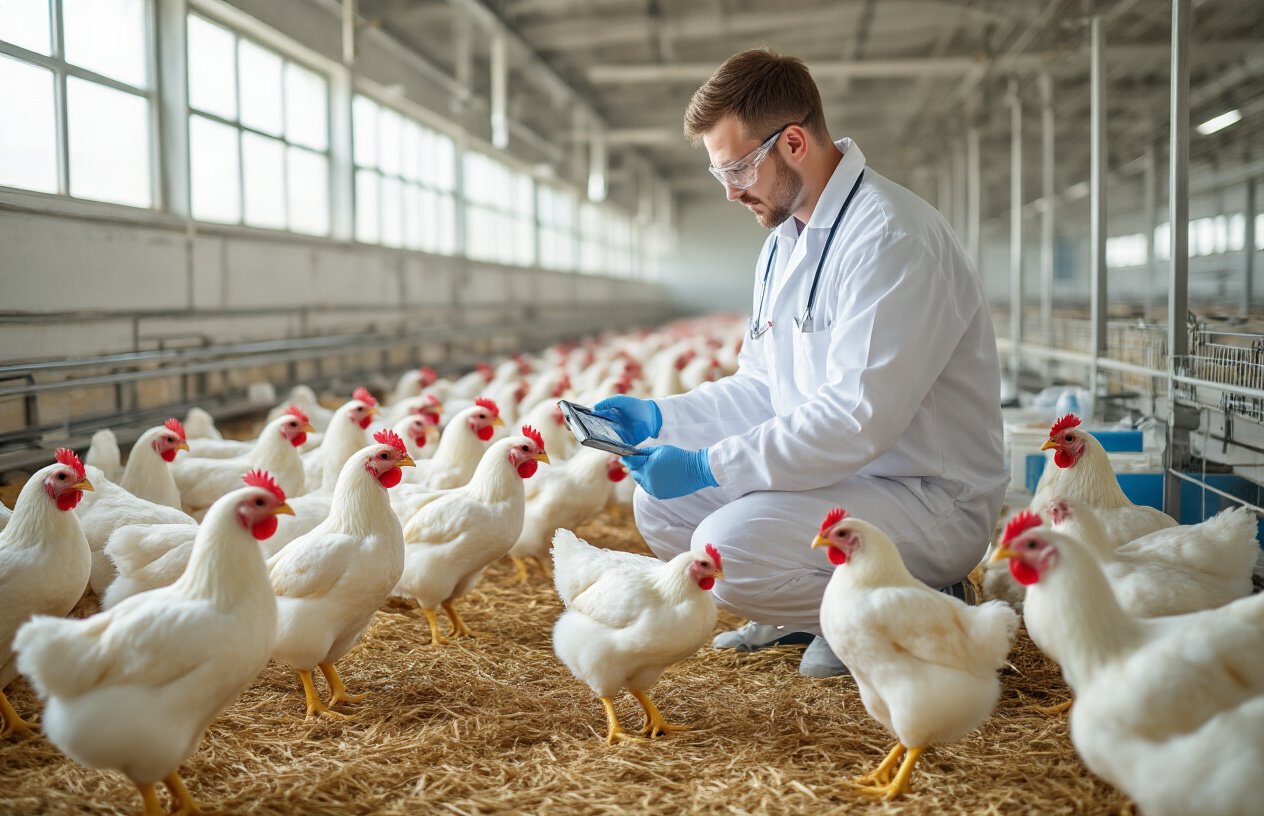
Creating a solid vaccination program forms the backbone of successful broiler production. Start with Marek’s disease vaccination at the hatchery, followed by Newcastle disease and infectious bronchitis vaccines during the first week. The timing matters – administer Newcastle disease vaccine on day 1 via spray or drinking water, then boost at days 14-18.
For infectious bursal disease (IBD), vaccinate between days 12-16, depending on maternal antibody levels. Coccidiosis vaccines work best when given at the hatchery or within the first 5 days. Regional variations exist, so consult local veterinarians about area-specific diseases like fowl pox or infectious laryngotracheitis.
Monitor vaccine storage temperatures religiously – most require 35-45°F storage and lose potency quickly when exposed to heat or light. Water-based vaccines need chlorine-free water and should be consumed within 2-4 hours of mixing.
Common Disease Recognition and Early Treatment
Early detection saves flocks and profits. Watch for respiratory signs like coughing, sneezing, or gasping – these often indicate Newcastle disease or infectious bronchitis. Sudden mortality spikes, especially around days 14-21, may signal IBD or coccidiosis.
Coccidiosis presents with bloody droppings, reduced feed intake, and birds huddling together. Different coccidia species affect various gut sections, so accurate diagnosis matters for treatment selection. E. coli infections cause swollen joints, respiratory distress, and septicemia symptoms.
Necrotic enteritis shows up as sudden deaths in healthy-looking birds, often with dark, tar-like intestinal contents. This clostridial infection typically strikes between days 14-35 and responds well to early intervention.
Keep detailed mortality records noting age, symptoms, and environmental conditions. Post-mortem examinations by qualified veterinarians help identify disease patterns and guide treatment decisions. Quick response within 24-48 hours of symptom onset significantly improves treatment success rates.
Antibiotic-Free Management Strategies
Success without antibiotics requires multiple approaches working together. Prebiotics and probiotics maintain healthy gut microbiomes, reducing pathogen colonization. Feed organic acids like formic acid or propionic acid to lower gut pH and inhibit harmful bacteria growth.
Essential oils from oregano, thyme, and cinnamon possess antimicrobial properties while supporting immune function. Plant extracts like cranberry and grape seed offer natural antimicrobial benefits without resistance concerns.
Strict biosecurity becomes even more critical – disinfect equipment, limit visitor access, and maintain all-in/all-out management practices. Proper ventilation prevents ammonia buildup and respiratory stress that predisposes birds to infections.
Water quality deserves extra attention in antibiotic-free systems. Regular testing for bacterial contamination, pH levels, and mineral content helps prevent disease outbreaks. Acidified water systems reduce pathogen loads while improving nutrient absorption.
Parasite Control Programs That Boost Performance
Internal parasites like roundworms, cecal worms, and tapeworms reduce feed efficiency and create entry points for bacterial infections. Implement routine fecal monitoring at days 21, 35, and 42 to track parasite loads and treatment effectiveness.
Rotational deworming programs prevent resistance development. Alternate between different drug classes – benzimidazoles for roundworms, followed by levamisole or ivermectin-based products. Natural alternatives include diatomaceous earth, pumpkin seeds, and garlic supplements, though these require consistent application for effectiveness.
External parasites like mites and lice cause stress, reduced feed conversion, and secondary infections. Regular flock inspections reveal early infestations – look for feather damage, skin irritation, and restless behavior. Dust baths with wood ash or sand help birds maintain natural parasite control.
Proper litter management disrupts parasite life cycles. Maintain dry bedding conditions and remove wet spots immediately. Composting used litter generates heat that kills most parasite eggs and larvae. Clean water systems monthly to prevent coccidia oocyst buildup in drinker lines.
Production Management and Growth Optimization
Brooding Techniques for Maximum Chick Survival
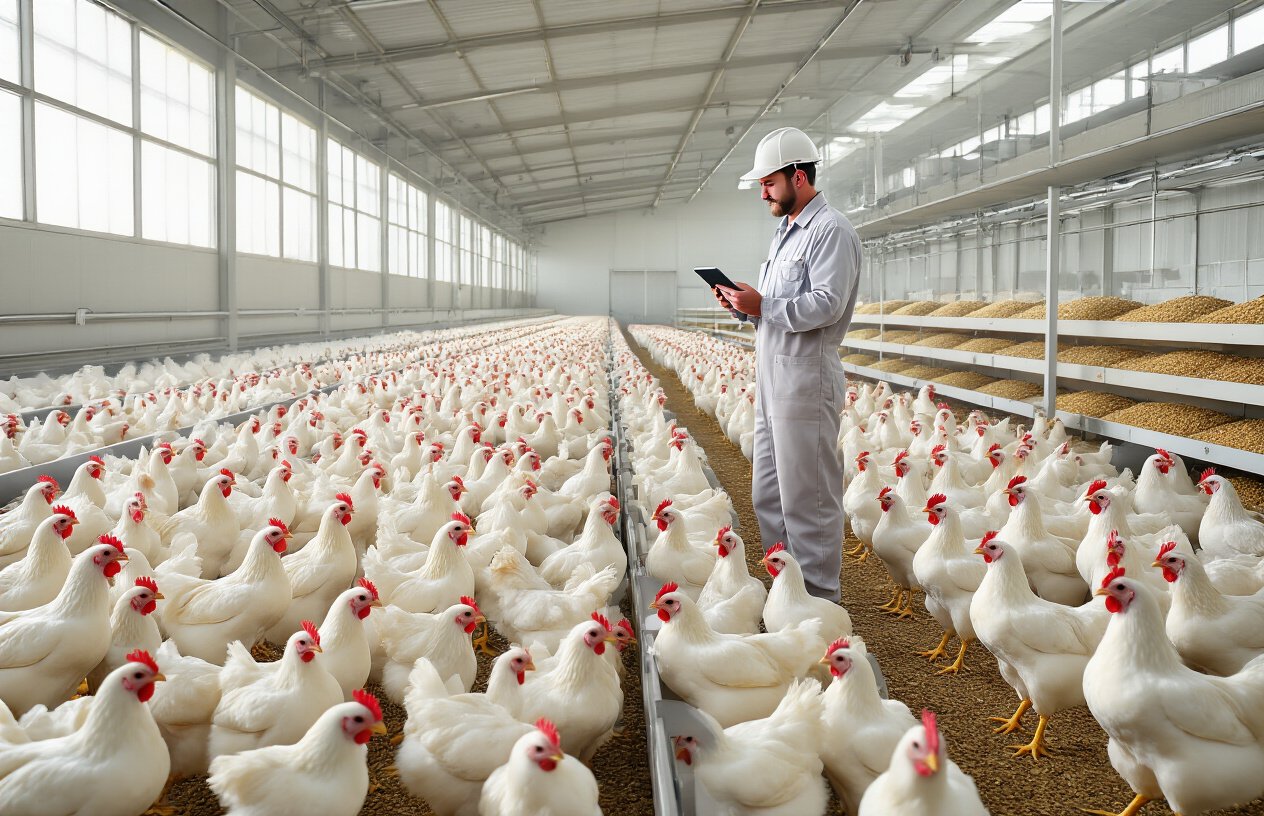
Getting your chicks off to the right start sets the foundation for the entire production cycle. Temperature control stands as the most critical factor during the first few weeks of life. Day-old chicks need a brooding temperature of 95°F (35°C), gradually reduced by 5°F each week until reaching room temperature around week 4-5.
Proper heat distribution prevents chicks from crowding together, which can lead to suffocation and uneven growth. Watch their behavior closely – chicks huddled directly under heat sources indicate temperatures are too low, while chicks avoiding the heated areas suggest excessive heat. Infrared heat lamps or gas brooders work well for smaller operations, while larger facilities benefit from radiant heating systems.
Ventilation becomes equally important as temperature management. Fresh air prevents ammonia buildup from droppings while maintaining proper humidity levels between 50-70%. Install adjustable vents that allow air circulation without creating drafts that stress young birds.
Floor space allocation directly impacts survival rates. Provide 0.5 square feet per chick during the first week, expanding to 1 square foot by week 4. Use proper bedding materials like wood shavings or rice hulls that absorb moisture while providing comfortable footing.
Water and feed placement requires strategic positioning. Position feeders and waterers close enough for easy access but far enough from heat sources to prevent overheating. Clean, fresh water should be available 24/7, with special attention to water temperature during cold weather.
Lighting Programs That Accelerate Growth Rates
Strategic lighting manipulation dramatically influences broiler growth performance and feed conversion efficiency. Modern broiler operations use carefully designed lighting schedules that balance growth stimulation with bird welfare.
The standard continuous lighting program provides 23 hours of light followed by 1 hour of darkness daily. This approach maximizes feed consumption and growth rates but can lead to metabolic disorders and leg problems in fast-growing birds. Light intensity should range from 10-20 lux for optimal results.
Intermittent lighting programs offer better alternatives for sustainable growth. The most popular schedule alternates 2 hours of light with 2 hours of darkness (2L:2D) throughout the day. This pattern reduces stress, improves leg health, and maintains excellent growth rates while lowering mortality.
Step-down lighting programs start with long light periods during early growth phases, then gradually reduce daily light hours as birds mature. Week 1 begins with 23 hours of light, decreasing to 18-20 hours by week 3, then maintaining this schedule until processing.
LED lighting systems provide precise control over light intensity and color spectrum. Red light promotes calmness and reduces aggressive behavior, while blue light stimulates growth hormone production. Many producers use warm white LED lights for consistent, energy-efficient illumination.
Dimming capabilities allow gradual light transitions that reduce stress during daily management activities. Sudden light changes can cause panic and injuries, so smooth transitions over 15-30 minutes work best for bird welfare and production efficiency.
Record Keeping Systems That Track Profitability
Accurate record keeping separates profitable operations from struggling ones. Digital management systems now offer real-time monitoring capabilities that track every aspect of production performance.
Daily mortality records provide early warning signs of health issues or management problems. Calculate mortality percentage weekly and compare against industry standards (typically 3-5% for the entire grow-out period). Sudden spikes in mortality require immediate investigation and corrective action.
Feed conversion ratios (FCR) represent the most important profitability metric. Track feed consumption weekly and calculate pounds of feed consumed per pound of live weight gained. Target FCR ranges from 1.6-1.9 for modern broiler strains. Higher ratios indicate feeding inefficiencies or health challenges that directly impact profit margins.
Weight sampling programs help optimize processing timing. Weigh random samples of 50-100 birds weekly to track average weights and growth uniformity. This data helps predict when birds will reach target processing weights and allows adjustment of marketing schedules.
Financial tracking systems should capture all production costs including chicks, feed, utilities, labor, medications, and overhead expenses. Calculate cost per pound of live weight produced and compare against current market prices to determine profitability per flock.
Environmental data logging monitors temperature, humidity, and ventilation performance automatically. These systems identify patterns that affect bird performance and help optimize facility management for future flocks.
Production management software integrates all these data points into comprehensive reports that identify trends, benchmark performance against previous flocks, and highlight areas needing improvement. Cloud-based systems allow remote monitoring and data analysis from anywhere.
Marketing and Processing Considerations
Optimal Processing Weight and Timing
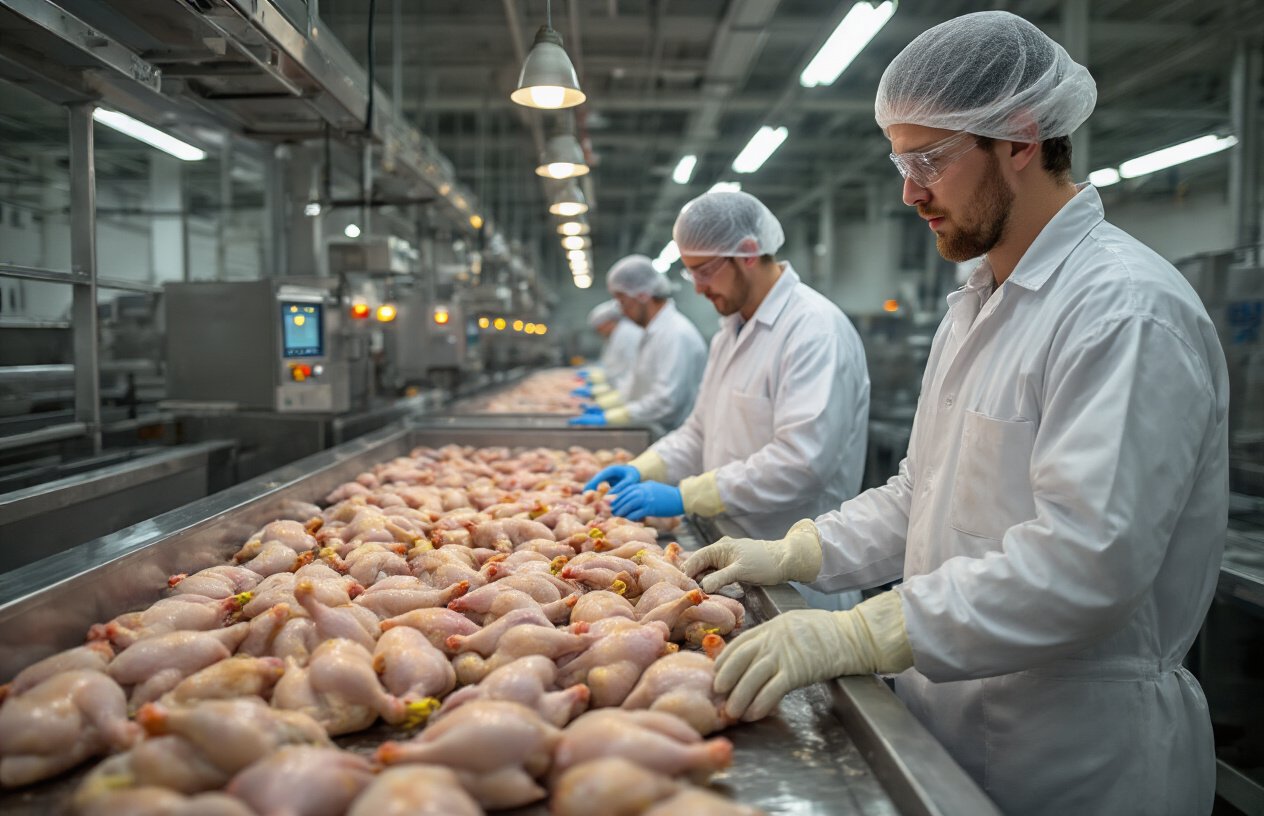
Broiler chickens reach their peak processing weight between 6-8 weeks of age, typically weighing 4-6 pounds live weight. The sweet spot for most commercial operations is around 5.5 pounds, which yields approximately 4 pounds of dressed weight. Timing matters because waiting too long reduces feed conversion efficiency and increases production costs without proportional weight gains.
Market demand plays a crucial role in determining processing schedules. Whole birds for retail typically process at 4-5 pounds dressed weight, while chickens destined for cut-up parts can go slightly heavier. Processing too early results in lower yields and reduced profitability, while delaying beyond optimal weight increases feed costs and may compromise meat quality.
Feed conversion ratios start declining after 42 days, making extended growing periods economically questionable. Weather conditions also influence processing decisions – hot summer months may require earlier processing to avoid heat stress, while cooler conditions allow for extended growing periods.
Direct-to-Consumer Sales Strategies
Farm-to-table sales offer premium pricing opportunities but require different approaches than commercial channels. Establishing relationships with local restaurants creates steady demand for fresh, locally-sourced poultry. Many chefs prefer birds in the 3-4 pound range for portion control and presentation.
Farmers markets provide direct customer contact and immediate feedback on product quality. Success depends on consistent availability, proper presentation, and competitive pricing. Vacuum-sealed, properly labeled packages with farm branding help build customer loyalty and justify premium prices.
Online ordering systems streamline direct sales operations. Customers appreciate advance ordering options for holidays and special events. Offering whole birds, cut-up parts, and specialty items like organ meat attracts diverse customer bases. Social media marketing showcases farm practices and builds trust with consumers willing to pay premium prices for transparency.
Community Supported Agriculture (CSA) programs guarantee sales volumes and provide upfront capital. Including poultry in vegetable CSA boxes introduces new customers to farm-raised chicken. Subscription models create predictable revenue streams and help manage production planning.
Commercial Market Requirements and Standards
USDA inspection requirements vary by processing volume and sales channels. Operations processing fewer than 1,000 birds annually for direct sales may qualify for exemptions, while larger operations need USDA-inspected facilities. State regulations often allow on-farm processing up to 10,000 birds annually with proper licensing.
Packaging specifications depend on target markets. Retail chains require specific labeling, nutritional information, and packaging materials. Shrink-wrapped whole birds need different handling than ice-packed fresh chickens for restaurant delivery. Cold chain management becomes critical for maintaining product quality and meeting food safety requirements.
Documentation requirements include processing records, feed sources, medication usage, and traceability information. Many buyers require third-party certifications like organic, free-range, or animal welfare approved labels. Each certification carries specific requirements for housing, feed, and processing methods.
Contract specifications typically include delivery schedules, weight ranges, and quality standards. Buyers may specify breed preferences, processing methods, and packaging requirements. Understanding these requirements before starting production prevents costly adjustments later.
Value-Added Product Opportunities
Processing versatility creates multiple revenue streams beyond whole bird sales. Cut-up parts command different price points – breast meat brings premium prices while thighs and legs appeal to budget-conscious consumers. Deboning services add labor costs but create higher-value products for restaurants and retail.
Specialty products like chicken sausages, marinated cuts, or prepared foods significantly increase profit margins. Value-adding requires additional equipment, labor, and food safety protocols, but premium pricing often justifies these investments. Partnering with local processors can provide access to specialized equipment without major capital investments.
Byproduct utilization reduces waste and creates additional income. Feathers become compost ingredients or crafting materials. Feet and necks have strong demand in ethnic markets. Rendering companies pay for fat and inedible parts, reducing disposal costs while generating revenue.
Private labeling for local stores or restaurants builds brand recognition and customer loyalty. Custom processing services for other small farms creates additional revenue without raising more birds. Mobile processing units serve multiple small producers, sharing equipment costs and regulatory compliance burdens.
Getting into broiler poultry farming means making smart choices at every step. From picking the right breeds and setting up proper housing to creating feeding programs that boost growth, success comes down to paying attention to the details. Disease prevention and health management keep your birds thriving, while good production practices help you hit those target weights faster.
The key is treating this as both a science and a business. Your birds need the right environment, nutrition, and care to reach their potential, but you also need to think about processing and getting your product to market. Start with a solid plan, focus on the basics first, and don’t skip the health management side of things. With the right approach and consistent effort, broiler farming can be a rewarding venture that meets the growing demand for quality poultry.